Cosmetic dentistry in Philadelphia & Main Line
Change what bothers you
without over-treating your smile

What would you like to change about your smile?
You do not need to know which cosmetic treatment you need before your consultation. Start with what bothers you. We will help you understand which options can address it and whether a simpler treatment could get you the result you want.
Porcelain veneers
Veneers can change the shape, size, color, and symmetry of visible teeth when bonding or whitening alone will not create the change you want. Your dentist designs the treatment around your smile, facial proportions, and existing teeth so the final result looks natural rather than overdone.
Cosmetic bonding
Bonding uses tooth-colored composite to repair small chips, close minor gaps, reshape uneven edges, or make subtle improvements to individual teeth. Because composite is added directly to the tooth, bonding can often make a noticeable change while preserving more natural enamel.
Teeth whitening
Your dentist can help determine whether whitening alone is likely to give you the result you want or whether discoloration would respond better to another cosmetic treatment.
Invisalign
Clear aligners may also be combined with whitening, bonding, or veneers when alignment is only one part of your cosmetic plan.
Smile makeovers
If you want to address several concerns at once, a smile makeover combines the treatments you actually need into one coordinated plan.
Depending on your smile, that may include bonding, veneers, Invisalign, crowns, or dental implants.
For patients with extensive wear, missing teeth, or failing dental work, prosthodontic and full mouth reconstruction may be more appropriate than cosmetic treatment alone. The practice specifically provides veneers, bonding, porcelain crowns, Invisalign, implants, and full-mouth reconstruction and also evaluates failed cosmetic work from other offices.
Gum contouring and gummy smiles
If your teeth look short or too much gum shows when you smile, the fix may be the gum line rather than the teeth. Gum contouring reshapes the gum so the teeth look longer and more even, on its own or before veneers.
Bonding, veneers, or whitening?
Sometimes the hardest part is figuring out how much treatment you actually need.
In general:
- Whitening changes tooth color
- Bonding makes smaller changes to shape, chips, or gaps
- Veneers can make broader changes to shape, color, size, and symmetry
- Invisalign changes tooth position
- Crowns may be needed when a tooth also requires structural restoration
- Gum contouring changes how much gum shows and how long the teeth look
Your consultation is designed to narrow those options down before you commit to treatment.

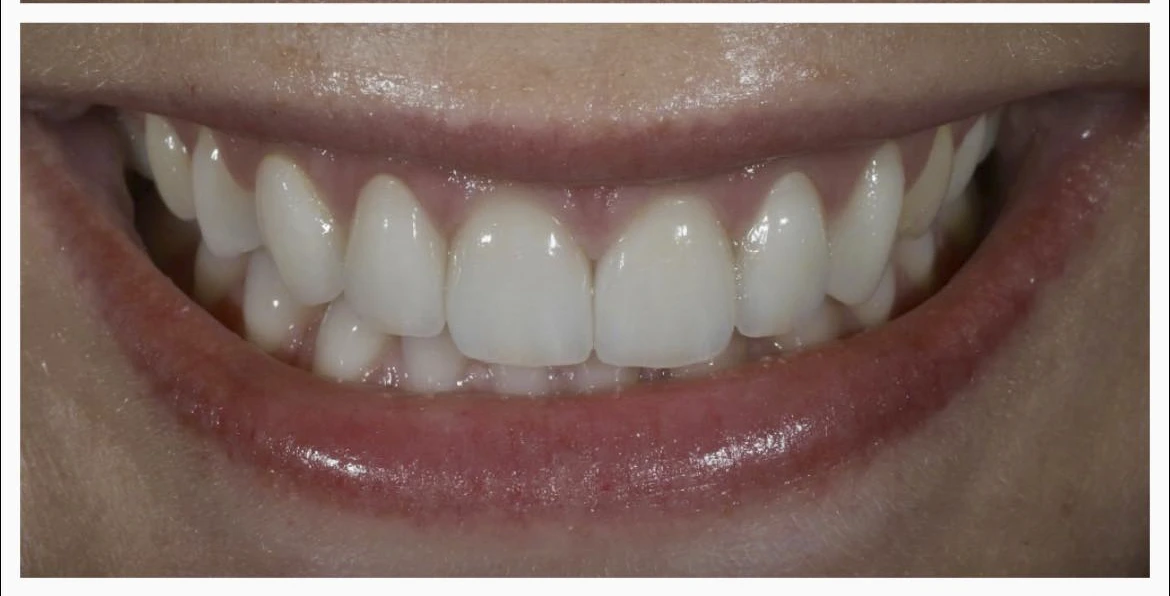
Teeth Whitening in Philadelphia
Brighten your smile with professional whitening at our Center City, Bryn Mawr, and Devon offices.
Choose your whitening option
In-office whitening
Get noticeably brighter teeth in one appointment. Best for faster results or before a special event.
Take-home whitening
Custom trays and professional-strength gel let you whiten gradually at home over one to two weeks.
Drugstore strips
Helpful for mild surface stains, but results may be less even and less noticeable.
What does whitening cost?
- In-office whitening: typically $500–$900
- Custom take-home trays: typically $300–$500
You’ll receive your exact price at your consultation.
How long does it last?
Results typically last 1–3 years. Occasional touch-ups can help maintain your preferred shade.
Have sensitive teeth?
Tell us before treatment. We can adjust the strength or length of your whitening sessions and use desensitizing treatments when needed.
What whitening can’t change
Whitening only works on natural enamel. It won’t lighten:
- Crowns
- Veneers
- Fillings
- Bonding
- Some gray or deep internal discoloration
If whitening isn’t the right solution, we can recommend bonding, veneers, or another option.
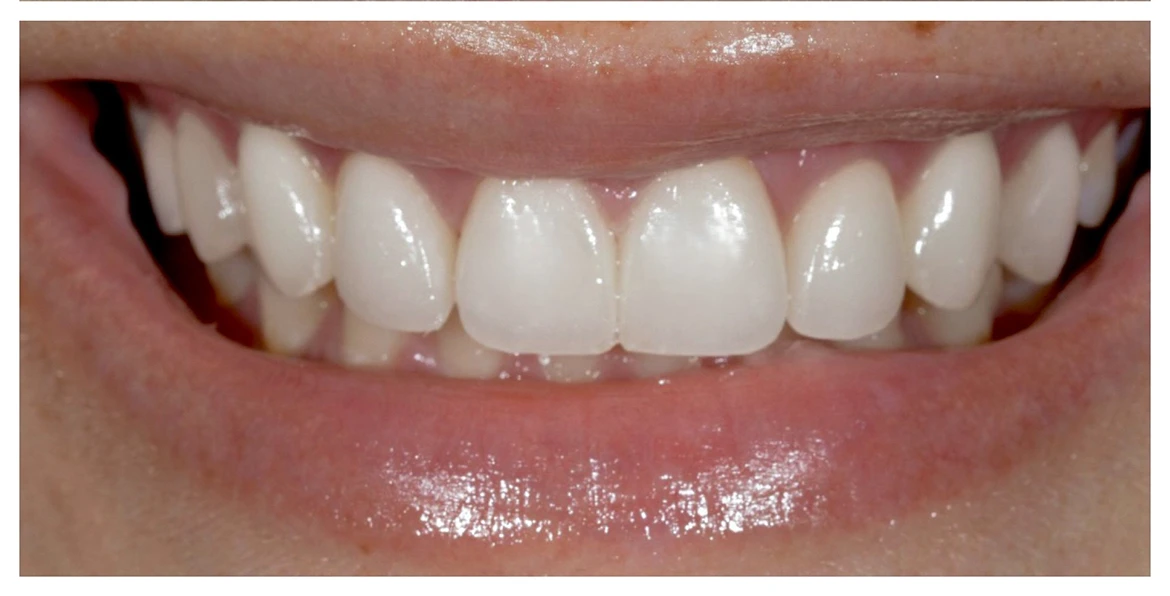
Invisalign & Clear Aligners in Philadelphia
Straighten your teeth without traditional brackets and wires. We offer Invisalign at our Center City, Bryn Mawr, and Devon offices.
Invisalign vs. braces
Invisalign
Clear, removable, and effective for many crowding, spacing, and mild bite concerns.
Braces
Often better for more complex tooth movement or severe bite problems.
Your dentist will recommend the option that fits your case.
How Invisalign works
- We scan your teeth digitally.
- You preview your planned results.
- You wear each aligner for about 22 hours a day.
- You change aligners every 1–2 weeks.
- You return for quick progress checks every 6–8 weeks.
Cost & timeline
Invisalign typically costs $3,500–$7,500 in the Philadelphia area.
Typical timelines:
- Minor cases: 4–6 months
- Moderate cases: 9–15 months
- Complex cases: 18+ months
You’ll know your estimated timeline and total cost before treatment begins. Financing is available.
Invisalign as part of a smile makeover
Straightening first can sometimes reduce how much bonding or veneer treatment you need later. We can plan the full sequence before you begin.
Don’t forget your retainer
Teeth can shift after orthodontic treatment. Wearing your retainer as directed helps protect your results. Retention is included in your treatment plan.
Smile Makeovers in Philadelphia
A smile makeover combines treatments into one coordinated plan based on what your smile actually needs.
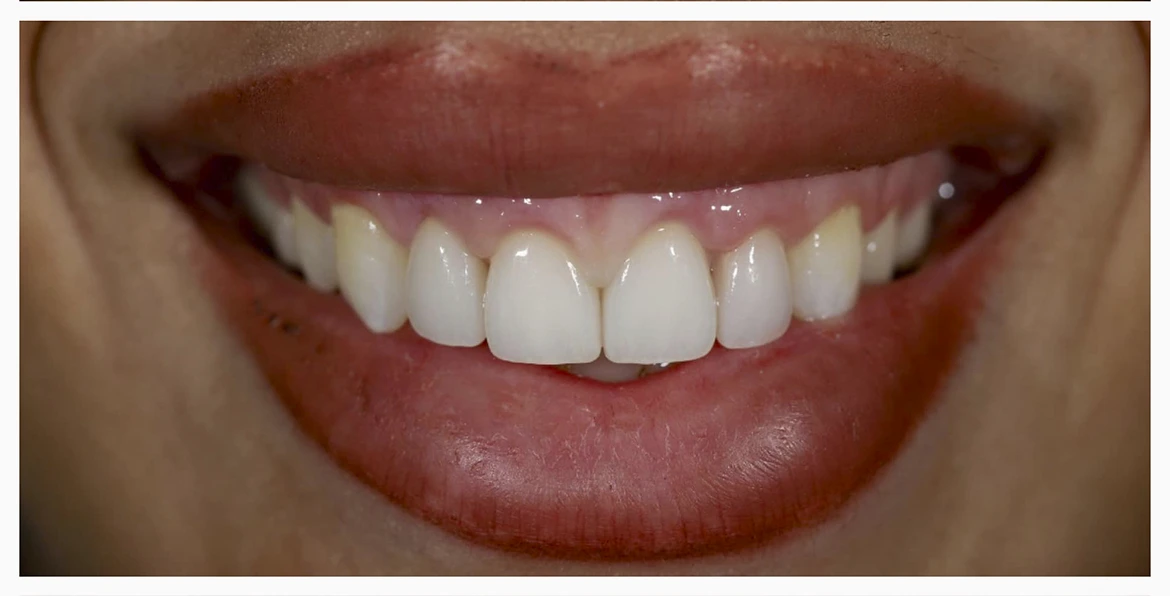
Your plan may include
- Teeth whitening
- Cosmetic bonding
- Porcelain veneers
- Crowns
- Invisalign
- Gum contouring
- Dental implants
You may need only one or two treatments, not everything on the list.
Preview your new smile
Your planning visit may include:
- Photos
- A digital scan
- A digital smile design
- A temporary preview for some veneer cases
You’ll have a chance to review the planned shape and proportions before permanent restorations are made.
We plan for your bite, too
Your prosthodontist considers both appearance and function, including:
- How your teeth come together
- How you chew
- Tooth wear
- Grinding or clenching
The goal is a smile that looks natural and functions comfortably.
How long does a makeover take?
It depends on your treatments.
- Whitening + bonding: often 2–3 weeks
- Veneers: typically 4–8 weeks
- Invisalign cases: additional alignment time
You’ll receive a personalized timeline before treatment begins.
What does a smile makeover cost?
Examples:
- Whitening + bonding: about $1,500–$4,000
- 6–10 porcelain veneers: about $9,000–$25,000
Cases involving Invisalign, crowns, or implants may cost more.
You’ll receive a written treatment plan and full pricing before starting. Financing is available through CareCredit, Sunbit, and Proceed Financial.
Gum Contouring & Gummy Smile Treatment
If your gums cover too much of your teeth or your gum line looks uneven, gum contouring can create a more balanced smile.
Which treatment do I need?
Laser gum contouring
Best for smaller adjustments. Treatment is usually completed in one visit with a few days of recovery.
Crown lengthening
Used when both gum tissue and the underlying bone need reshaping. Treatment is performed by our board-certified periodontist. We’ll determine which option fits your smile during your evaluation.
Could the problem be your gums, not your teeth?
Sometimes teeth look short simply because too much gum tissue covers them.
Reshaping the gum line first can create better proportions and, in some cases, reduce the need for veneers.
Gum depigmentation
Laser gum depigmentation can reduce naturally dark or uneven pigmentation for patients who want a more uniform gum color.
Treatment is typically completed in one visit.
Cost & recovery
- Small laser adjustments: typically a few hundred dollars
- Full smile-line contouring: typically $1,500–$3,000
- Crown lengthening: priced individually
Tenderness usually lasts a few days. Full healing may take two to three weeks.

See what is possible
before you decide
Your dentist will evaluate your smile, teeth, bite, and goals before recommending treatment. Digital imaging can also help with diagnosis and planning, and The Dental Spa offers virtual smile consultations for patients who want to start the conversation from home.
Why prosthodontic training matters in cosmetic dentistry
The Dental Spa is a prosthodontist-led practice. Prosthodontists complete additional specialty training in complex restorations, tooth replacement, and bite rehabilitation, which can be especially valuable when cosmetic treatment involves veneers, crowns, implants, worn teeth, or existing dental work.
Dr. Nicole Deakins is a board-certified prosthodontist and Fellow of the American College of Prosthodontists. The practice’s prosthodontists completed advanced specialty training at the University of Pennsylvania and Columbia University.

How to choose a cosmetic dentist in Philadelphia
“Cosmetic dentist” isn’t a recognized specialty, so training and experience can vary. Before committing to treatment, it helps to know what to look for.

Cosmetic dentist vs. prosthodontist
A prosthodontist completes three additional years of specialty training in treatments like:
- Veneers
- Crowns
- Dental implants
- Bite rehabilitation
- Complex restorative care
Board certification adds another level of testing and review.
Dr. Nicole Deakins is the only board-certified prosthodontist on the Main Line.
General dentists can also provide excellent cosmetic care. Specialty training becomes especially valuable when your case involves bite problems, worn teeth, missing teeth, or previous dental work.
Five questions worth asking any cosmetic dentist
- Can I see before-and-after photos of patients with similar concerns?
- Will I preview the result before treatment begins?
- How will you evaluate my bite?
- Who makes the veneers or crowns?
- Will I receive the full cost in writing before treatment?
Red flags
Be cautious if an office:
- Recommends a full set of veneers without photos, scans, or a bite evaluation
- Won’t provide clear pricing before treatment
- Can’t show examples of its own cosmetic work
- Pushes you to make a major treatment decision immediately
A thoughtful cosmetic plan should start with careful evaluation and clear expectations.
See real cosmetic
dentistry results


Cosmetic dentistry in Philadelphia, Bryn Mawr, and Devon
The Dental Spa provides cosmetic and restorative dentistry at three locations:
Center City Philadelphia
1601 Walnut St, Suite 704
Philadelphia, PA 19102
Bryn Mawr / Main Line
234 S Bryn Mawr Ave #203
Bryn Mawr, PA 19010
Devon
227 Lancaster Ave, Suite 300
Devon, PA 19333

Ready to see what could change?
Frequently asked questions about cosmetic dentistry
Which cosmetic dental treatment is right for me?
Whitening addresses color, bonding works well for smaller chips and shape changes, veneers can address broader concerns with shape and symmetry, and Invisalign changes tooth position.
Your dentist can also recommend a combination when one treatment alone will not address everything you want to change.
How much does cosmetic dentistry cost in Philadelphia?
The Dental Spa provides a personalized treatment plan with clear pricing before treatment begins and offers financing options.
What makes The Dental Spa different for cosmetic dentistry?
That specialty training becomes particularly relevant when cosmetic treatment also involves your bite, crowns, implants, worn teeth, or previous restorations. The practice is led by prosthodontists, including board-certified prosthodontist Dr. Nicole Deakins.
Can I get a cosmetic dentistry opinion without coming into the office?
Yes.
The Dental Spa offers virtual smile consultations. You can submit a short video of your smile, and a doctor will review your concerns and recommend possible treatment options.
Can you correct cosmetic dental work from another dentist?
Yes. The Dental Spa states that its doctors correct and replace failed cosmetic work from other offices.
The first step is determining why the existing work is not meeting your needs and whether it should be adjusted, replaced, or approached differently.
Do I need veneers for a smile makeover?
A smile makeover is a treatment plan, not one specific procedure. Depending on your needs, it may involve whitening, bonding, Invisalign, veneers, crowns, or a combination.
The goal is to use the treatments that address your concerns without doing more dentistry than necessary.